Skip to main content
While many districts still choose to develop professional learning internally, we identified three distinct segments of district leaders responsible for procuring curriculum-aligned professional learning, revealing how their differing priorities shape the decisions they make about teacher development.
We Explored how District Buyers Differ when Using Evidence to Evaluate the Quality of CAPL

Three segments emerged based on their top evidence preference and top barrier to evidence use

Teacher Representative
Teacher Representatives are people-centric and want evidence that is easy to implement.

Shortcut Enthusiasts
Shortcut Enthusiasts are data-generalists and want evidence that is easy to access.

Utility Seekers
Utility Seekers are data-specialists and want evidence that is relevant to their district.
Teacher Representative
Teacher Representatives are people-centric: They aim to uplift insights from their teachers to select CAPL that aligns with their needs.
Teacher Representatives primarily assess the quality of PL based on teacher feedback and educational standards. They do not prioritize the use of research-based evidence in the evaluation process, focusing instead on the needs of their teachers.
This group ranked Teacher Feedback (Mean Rank: 1.24) and Alignment with Educational Standards (Mean Rank: 2.46) as their top sources of evidence to evaluate the quality of CAPL.
“The best source of of information is ‘who’s using it?’ (…) You know, really just like, learn about how it’s working for them.”
— Medium Priority Suburban District, NJThe characteristics of Teacher Representatives mirror the demographics of the overall PL ecosystem. The majority of districts are Small, Rural districts that are evenly distributed across the regions of the United States.
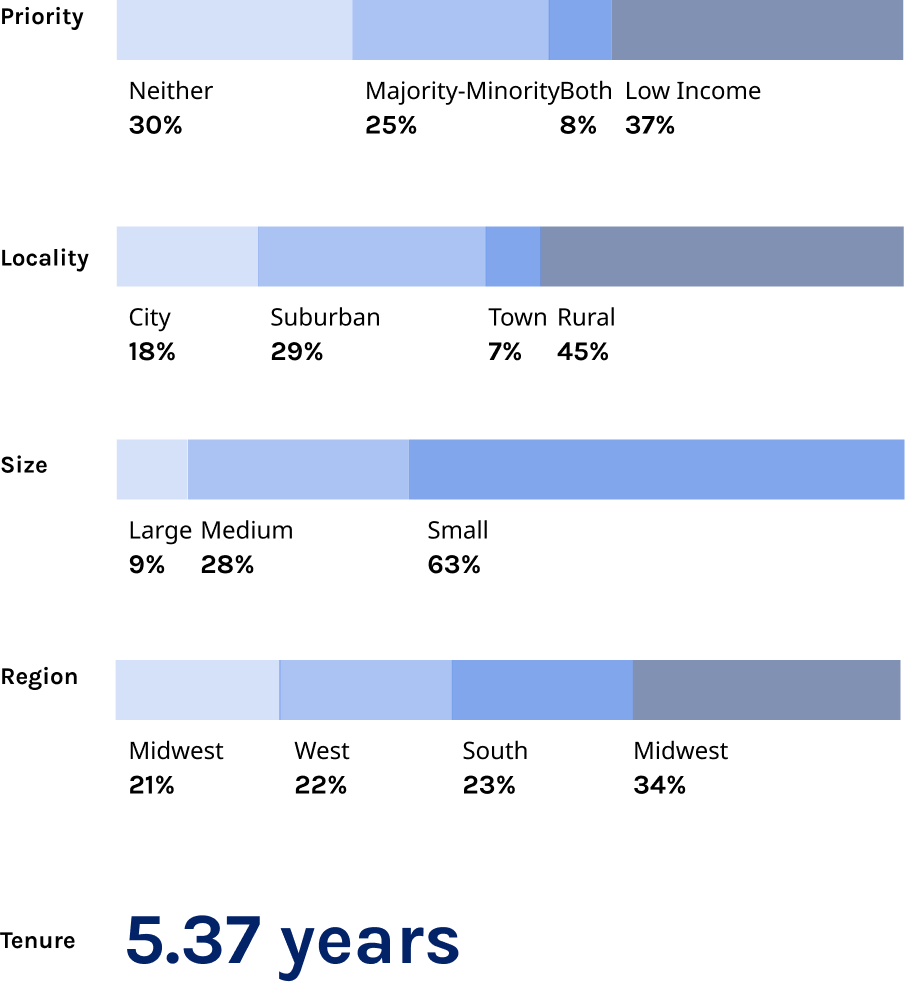
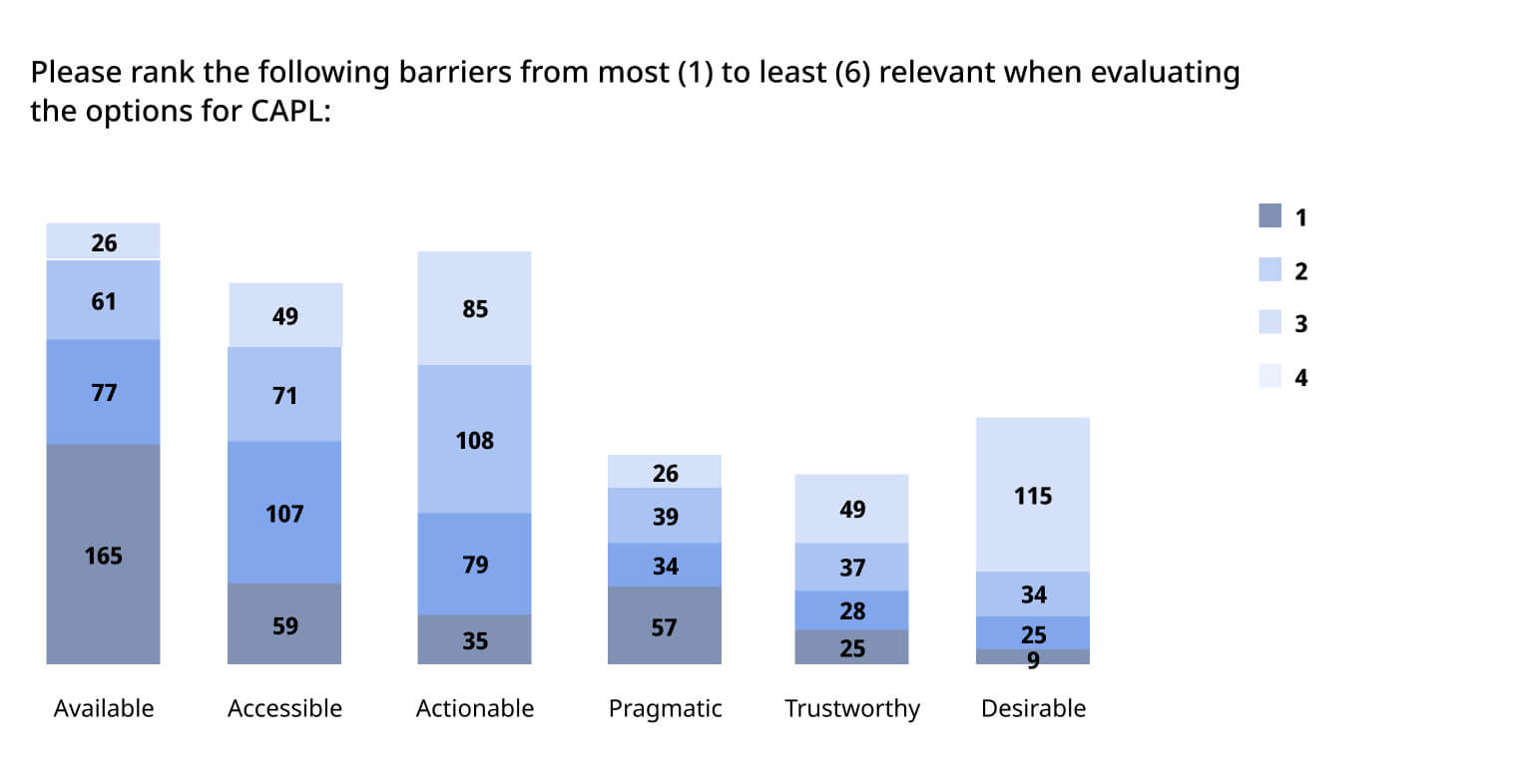
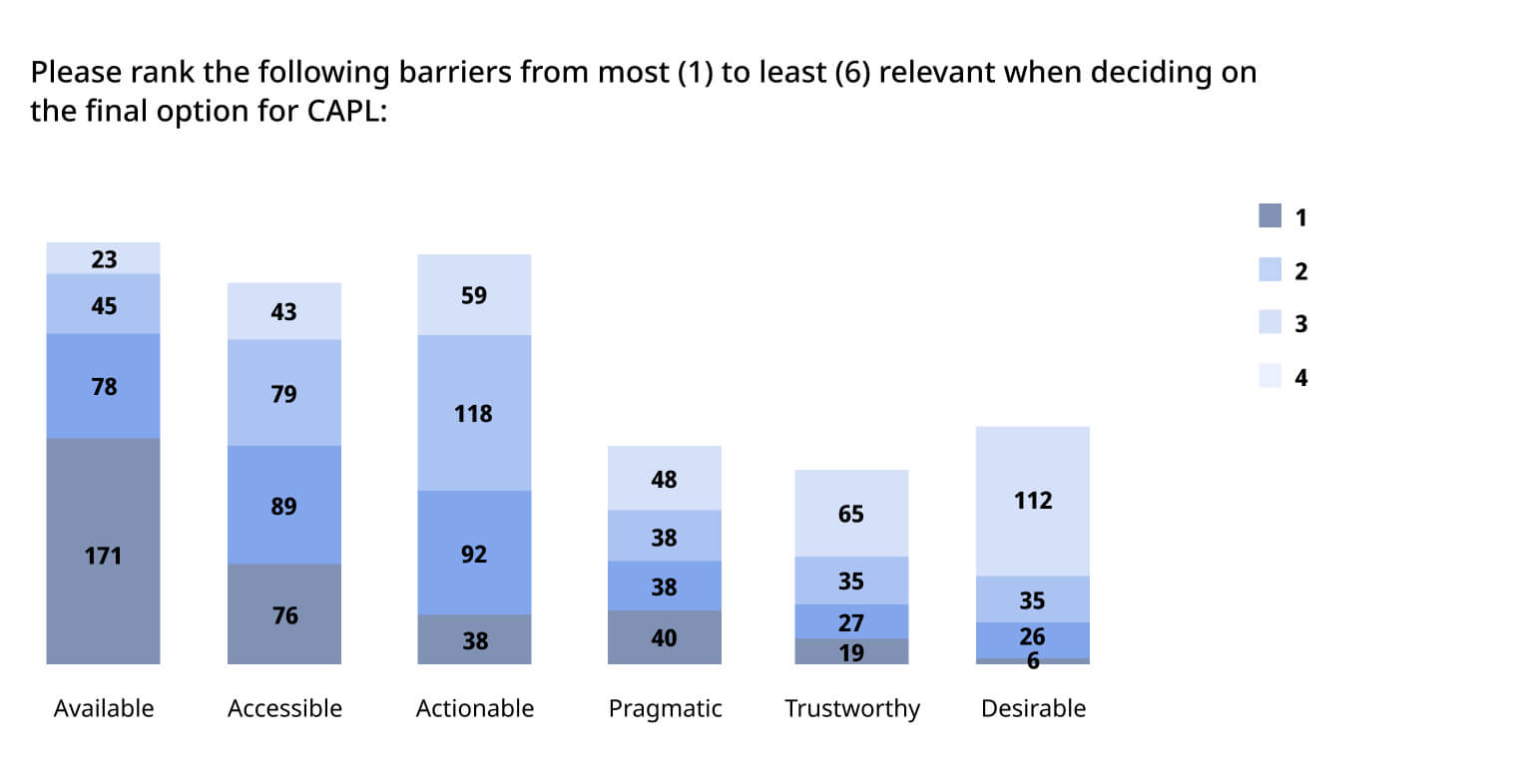
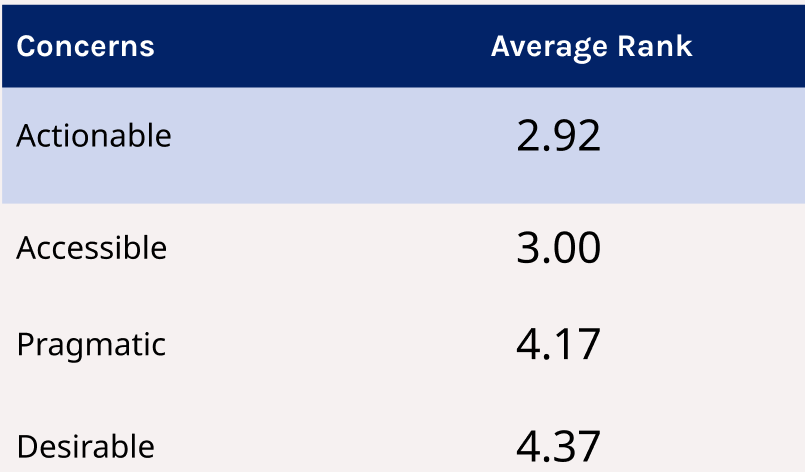
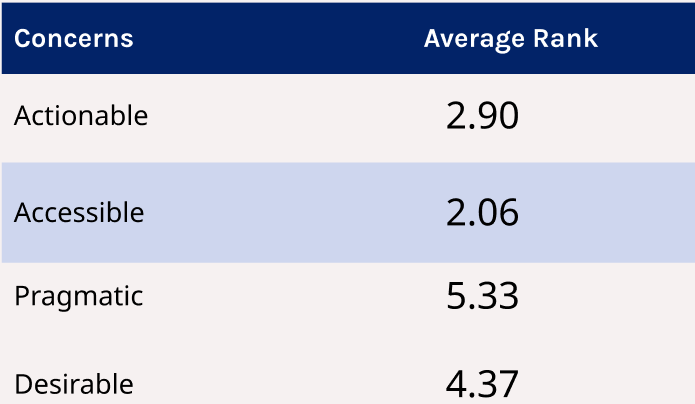
Teacher Representatives are primarily concerned with the ease of implementation of evidence (i.e., Actionability). They want to understand how evidence can be used to evaluate the quality of their PL.
Shortcut Enthusiast
Shortcut Enthusiasts are data-generalists: They rely on broad educational guidelines that are easy to access and explore.
Shortcut Enthusiasts rely on research-based evidence (e.g., educational standards, government guidelines) to evaluate the quality of PL. However, they are are not willing to use evidence that is hidden behind paywalls, or for which access requires significant cost or effort.
This group ranked Alignment with Educational Standards (Mean Rank: 1.65) and Alignment with Government Guidelines (Mean Rank: 2.66) as their top sources of evidence to evaluate the quality of CAPL.
“Once you’re in, being able to quickly see what are all the resources that come with that vendor to support the kind of thing you’re trying to do…”
— Small Priority Mixed District, MIShortcut Enthusiasts have a higher percentage of Priority and Midwest districts than the overall ecosystem. There is a lower percentage of Suburban and Northeast districts in this segment.
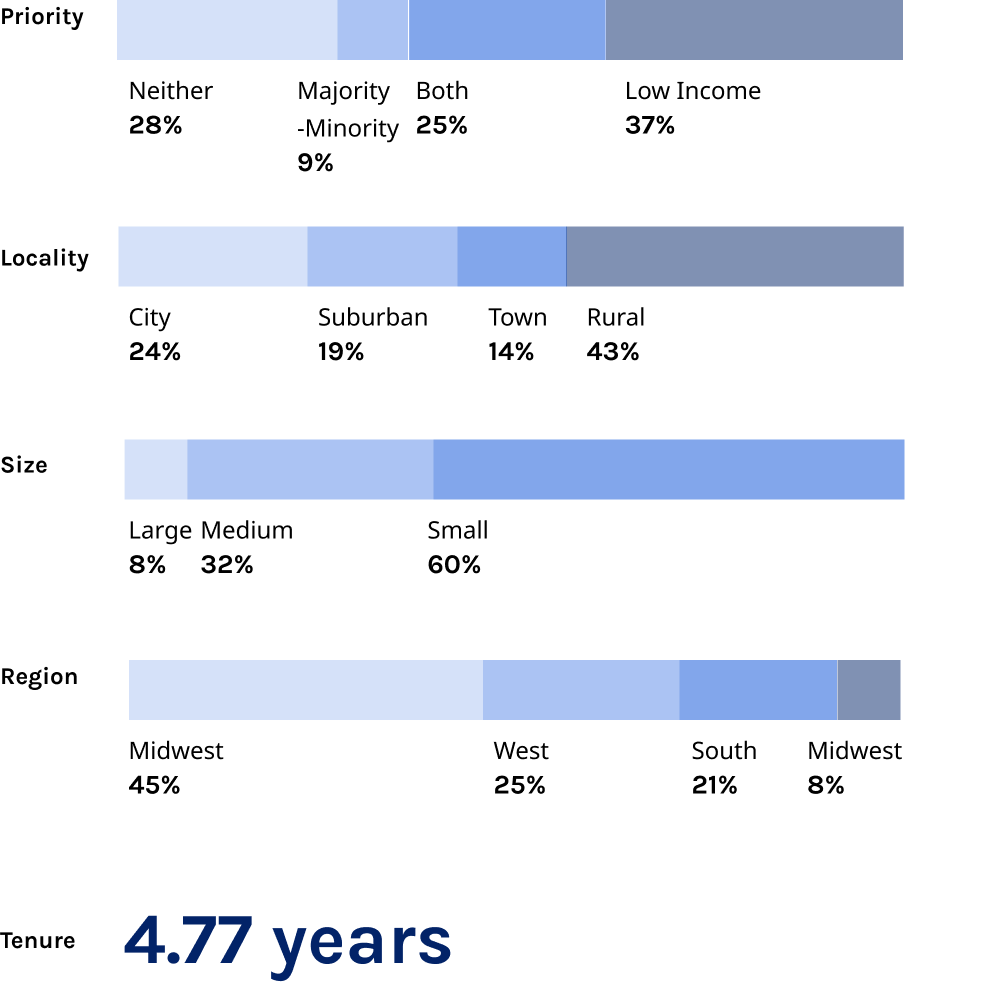
Shortcut Enthusiasts rank “Evidence is hard to access” as one of their top barriers to evidence use. Reducing paywalls or increasing website navigation would increase evidence uptake when evaluating the quality of PL.
Utility Seeker
Utility Seekers are data-specialists: They are most interested in standards and guidelines that are specifically relevant to their district.
Utility Seekers also rely on research-based evidence (e.g., educational standards, government guidelines) to evaluate the quality of PL. They are willing to make the effort and jump through accessibility hoops in order to find evidence that is relevant to their individual context.
This group ranked Alignment with Educational Standards (Mean Rank: 1.51) and Alignment with Government Guidelines (Mean Rank: 2.84) as their top sources of evidence to evaluate the quality of CAPL.
“Customization is key in professional learning–you know, if everybody just wants to turn it and burn it, it doesn’t work because everybody’s context and need is [different].”
— Small Priority Suburban District, ILUtility seekers have a higher percentage districts from the South, and lower percentages of Priority districts and districts in the West region compared to the overall PL ecosystem.
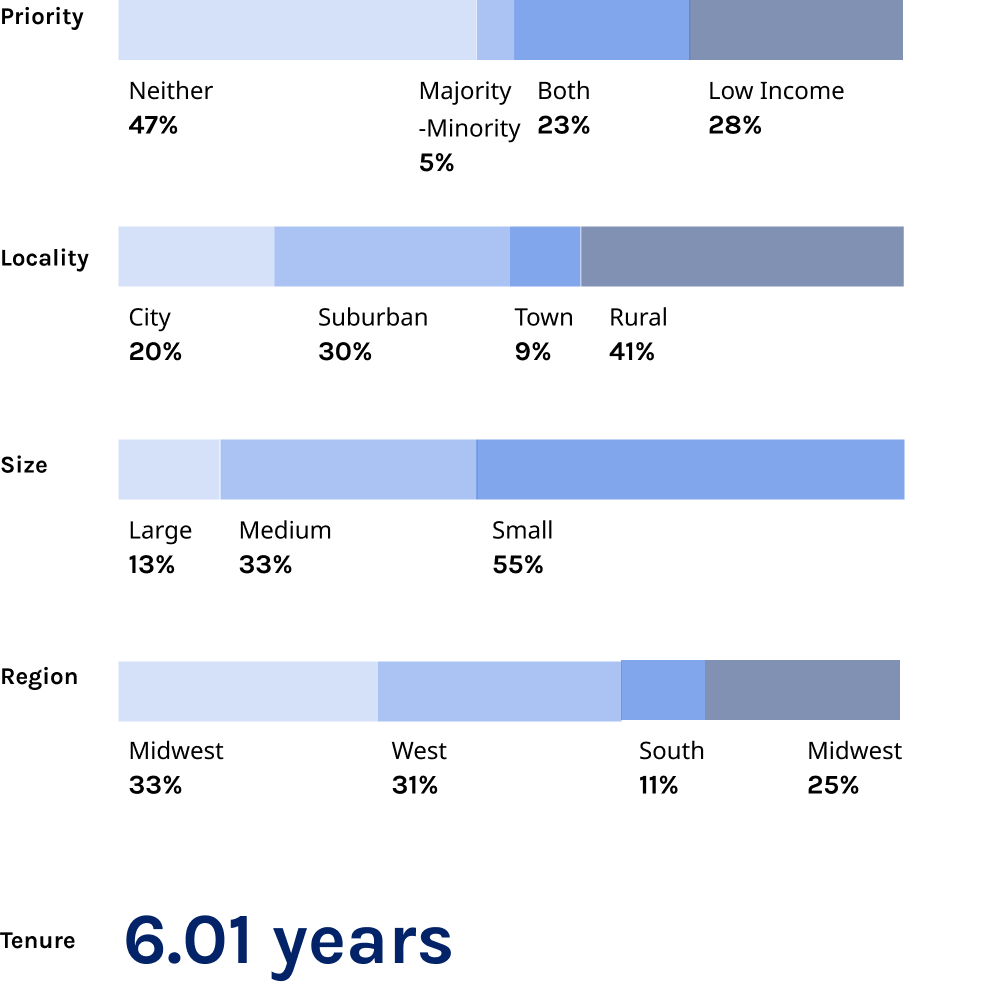
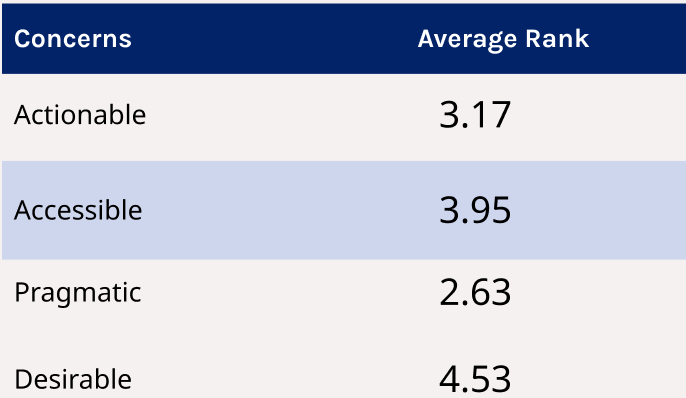
Utility Seekers are primarily focused on whether or not evidence is relevant to their district. This focus on the pragmatic nature of evidence is a key differentiator from other segments.
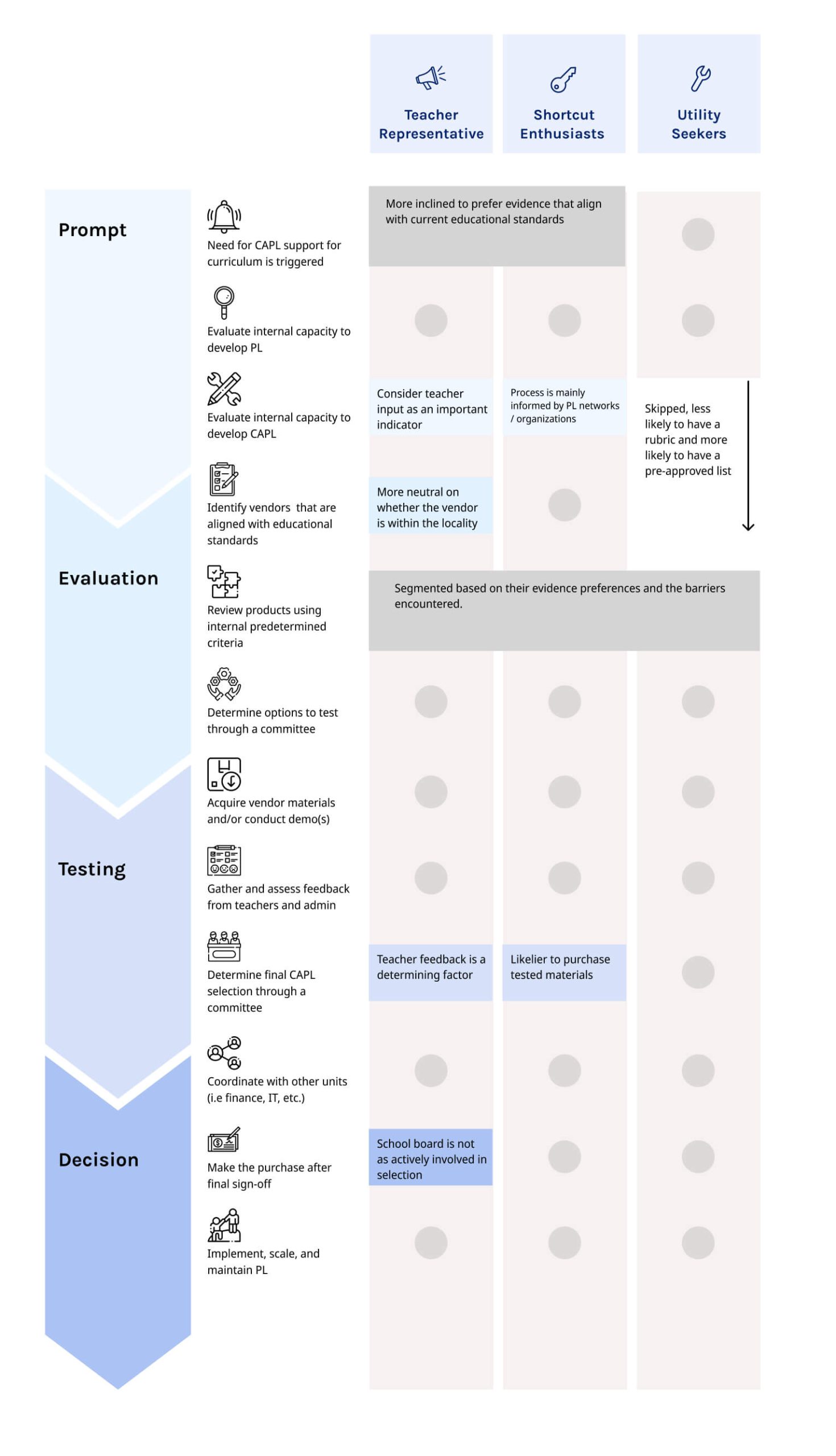
The Procurement Journey for Core Curriculum Purchasing
Highlights the similarities across the three segments and involves four stages: Needfind, Evaluate, Pilot and Purchase.
Click to review